




 1153 / 1906

BRAKES
16
Brake pads have to be replaced in sets only. If
brake pads on left side are replaced then
brake pads on right side should also be
replaced.
Apply brake pedal couple of times with the
engine started before taking the vehicle for a
road test. Before applying an emergency
brake, it is advisable to apply the brake gently
several times at 50 Km (30 miles) per hour to
allow the brake pads to align. Heavy braking or
prolonged braking should be avoided in the
initial 100-150 km.(60-90 miles ) of run until
the new pads are bedded.
NOTE :
While inserting the pads between the carrier
and disc care should be taken that the friction
material should be towards the disc.
Rotate the disc and make sure it is free to
rotate. If it is not free to rotate, inspect and
make sure that the pads are sitting square with
the disc without any tilt.
Before inserting the pads ensure that caliper is
returned fully to its position. (Push the caliper
inside if necessary.) While pushing the caliper
inside care should be taken to avoid the
damage to the cylinder. Use suitable tool if
required for pushing the cylinder inside.
iv. PARKING BRAKE ADJUSTMENT :
Before parking brake cable slackness adjustment
confirm following conditions:
a. Brake bleeding should be completed
(i.e.
there should not be air trapped in the brake
system)
b. Confirm pedal travel by depressing the brake
pedal for few times.
c. Check lining condition of the rear brake.
After confirming all above points start
adjusting the parking brake.
NOTE :
At the time of brake adjustment the parking
brake lever must be in OFF condition.
The brake adjustments should be done by
jacking the rear wheels.
The linings should not be allowed to wear
below 1mm of thickness above shoe rim.
1. Place chokes on the front wheels.
2. Jack up the rear axle.
3. Put hand brake lever in forth notch.
NOTE :
Do not count the notches from the blind
notch.
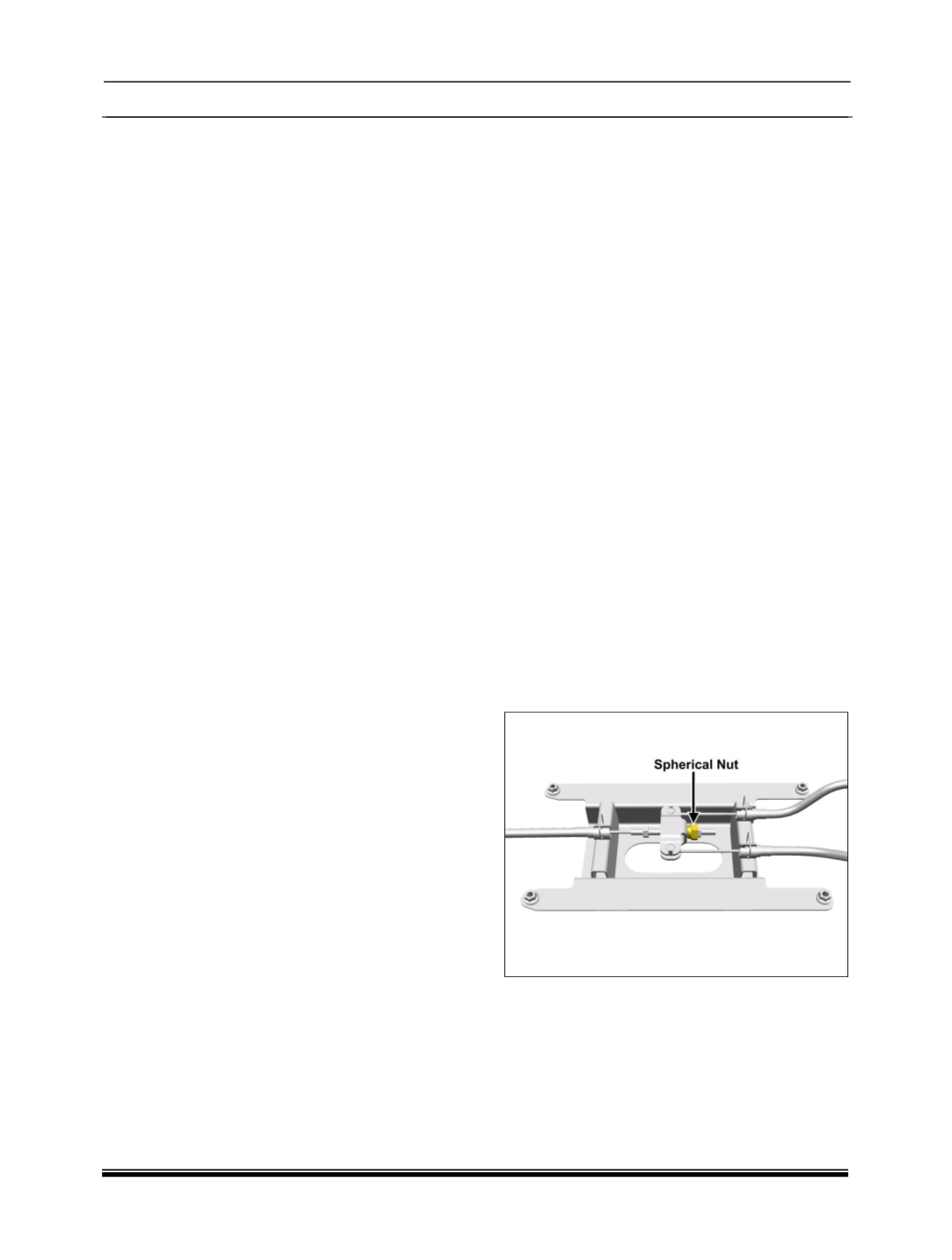
4. Tighten the spherical nut till the rear wheels
starts jamming and cannot be rotated.