



 125 / 1526

86
4 DLT ENGINE
BackLeakage
OpeningPressure
Atomisation
SeatTightness
CylinderKnock-UnevenRunning-Misfire
Loss of Power - Excessive Consumption
EngineOverheating
Black Smoke
PoorStarting
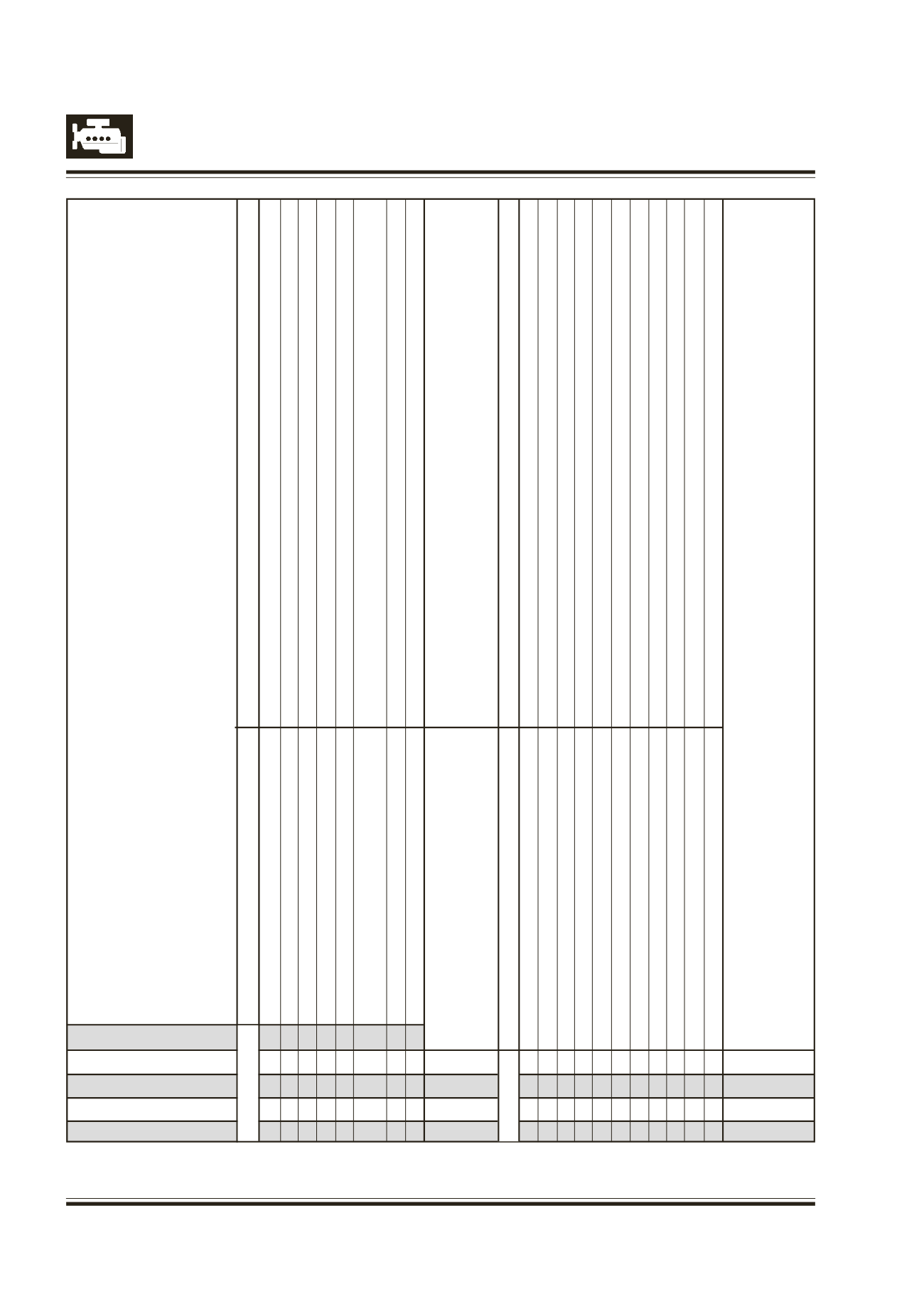
Cause
Check
1. Injector not sealing in cylinder head
1. For cleanliness and sealing washers; if specified
2. Two sealing washers under injector
2. Number of washers and if specified
3. High pressure pipe joint leaks
3. Pipe unions for leaks
4. Back leak pipe joint leaks
4. Unions for leaks
5. High Pressure pipe restricted
5. High pressure pipe bores
6. Injector / Nozzles Sticky
6. Fixing nuts tightened / injectors screwed in to the correct torque, fuel contamination
/ adulteration, dirt / burrs / debris in HP pipes
7. Incorrect injectors fitted
7. Manufacturer's specification
8. Injector Faulty
8. Check injector on a nozzle setting outfitAuthorised Centre
FAULT DIAGNOSIS INJECTORS
Symptom
l l
l
l l l l l
l l
l
l
l
l l l l l
l l l l l
l l l l l
Removing Injectors : Always ensure that injectors are not knocked during removal particularly pintle nozzles as the valve tips can easily be damaged.
Impact extractors to be used for flanged / clamped injectors.
Fitting Injectors : Ensure Injector, cylinder head bore and seat are clean. Ensure manufacturer's specification is observed for fitment of sealing
washer and heat shield. Tighten fixing bolts or nuts evenly to the correct torque.
If nozzle body or valve is worn or damaged the nozzle must be replaced or sent for specialist repair, to Delphi-TVS Authorised Centres.
Cause
Check
1. Pressure face leak
1. Nozzle cap nut torque and pressure faces clean and undamaged
2. Nozzle valve scored or having excessive clearance 2. Valve stem and nozzle body visually
3. Incorrect setting
3. Opening pressure and reset if necessary
4. Nozzle seized or sticking
4. For foreign matter, distortion or damage
5. Spray holes blocked
5. Holes are free of carbon
6. Valve not seating
6. Nozzle valve and body for carbon pitting or damage
7. Broken or distorted spring
7. Spring visually and replace if necessary
8. Auxiliary hole blocked
8. Hole is free of carbon
9. Pintle broken or damaged
9. Nozzle valve tip visually for damage
10.Nozzle holder spindle worn
10. Spindle ends for wear and replace if necessary
11. Nozzle cap nut overtightened
11. Cap nut torque
Symptom
l
l
l l
l l l
l l
l l l l
l l
l l
l
l l
l l l