




 825 / 896

832
HVAC
GENERAL PRECAUTIONS
The refrigerant used in the air conditioning system is
HFC (Hydro fluorocarbon) R134a.
Its global warming potential is very much lower than
that of R12 refrigerant.
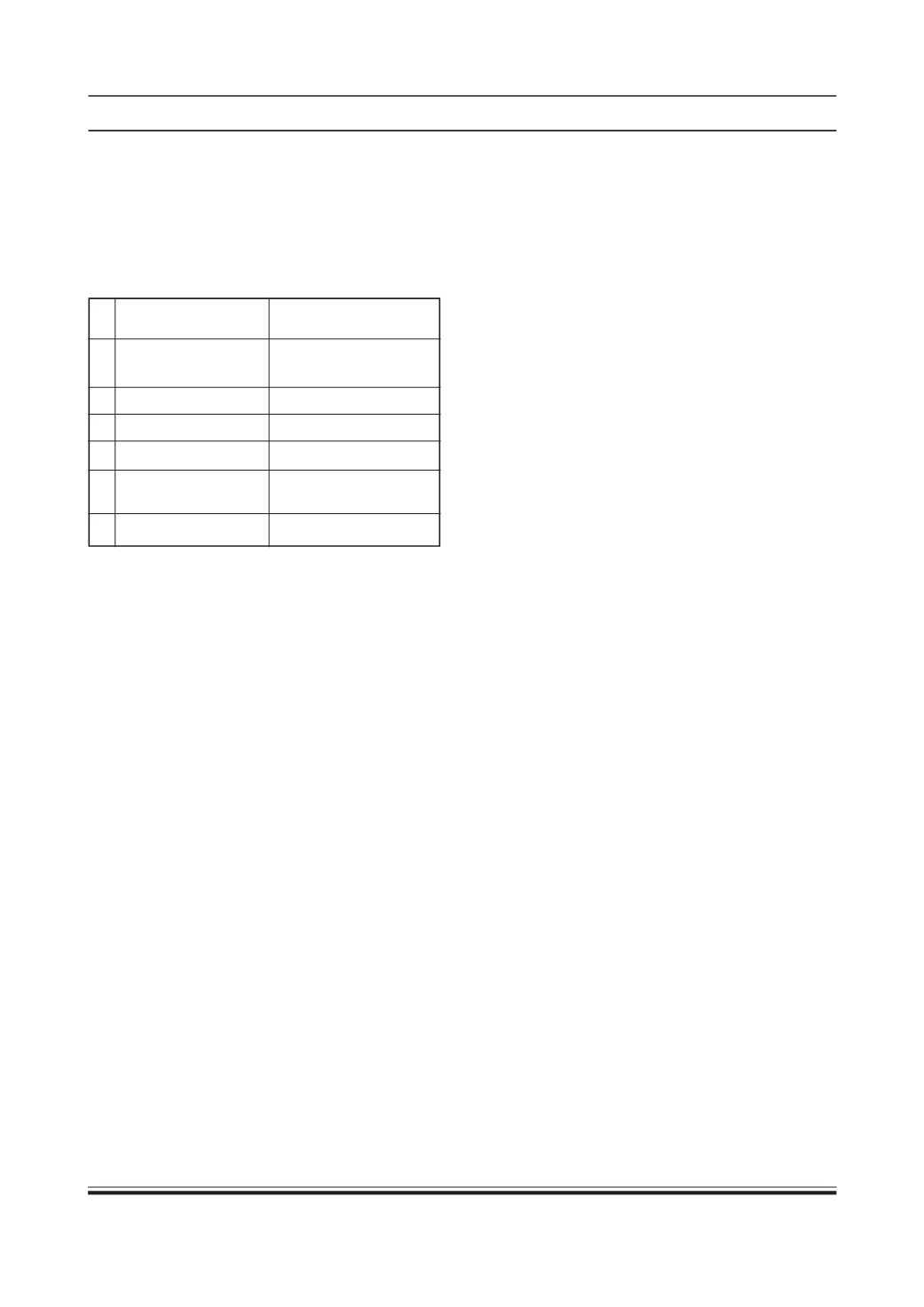
The details of the refrigerant are given below:
1 Specifications
Tetra flouroethane
(CF3-CH2F)
2 Oil
ATOMOS GU10,110 /
Equivalant
3
Form
Gas
4
Color
Colorless
5
Smell
Slightly of ether
6
Crystallization
-117°C
temperature
7
Boiling temperature -26°C
The following precautions in handling R134a
should be observed at all times:
1. While carrying out service operations on the air
conditioning system, suitable protective clothing
must be worn. Mis-handling may cause serious
injury.
NOTE:
Suitable protective clothing comprises: Wrap
around safety glasses or helmet, heatproof
gloves, rubber apronor waterproof overalls and
rubber boots.
2. R134a is odorless and colorless. Do not handle
or discharge in an enclosed area, or in any area
where the vapour or liquid can come in contact
with naked flame or hot metal. R134a is
inflammable, but can form a highly toxic gas so
always work in a well ventilated area.
3. Do not smoke or weld in areas where R134a is in
use. Inhalation of concentrations of the vapour can
cause dizziness, disorientation, narcosis, nausea
or vomiting.
4. Do not allow fluids other than R134a or
compressor lubricant to enter the air conditioning
system. Spontaneous combustion may occur.
5. R134a splashed on any part of the body will cause
immediate freezing of that area. Also refrigerant
cylinders and replenishment trolleys when
discharging will freeze skin to them if contact is
made.
6. The refrigerant used in an air conditioning system
must be reclaimed in accordance with the
recommendations given with a Refrigerant
Recovery Recycling Recharging Station.
7. Care should be taken when discharging the air
conditioning system to ensure the refrigerant is
not released to the atmosphere but captured for
recycling. Refrigerant R134a is transparent and
colorless in both the gaseous and liquid states.
At all normal temperatures and pressures it will
be a vapour. Also R134a is inflammable,
nonexplosive, nonpoisonous and noncorrosive
(except when in contact with moisture).
8. Do not weld or steam clean on or near any air
conditioning components when pressurized. This
may cause a dangerous pressure build up in the
system.
9. When purging a system, discharge the refrigerant
slowly.
10. Refrigerant cylinders should always be protected
from the radiant heat of the sun & keep in a cool
place.
11. When filling a refrigerant cylinder, never completely
fill it. Always leave space for expansion. If the
cylinder was completely filled and the
temperatures increases, the hydraulic pressure
with its tremendous force would resulting to
cylinder bursting accidents.
12. Never discharge a system or do brazing /
welding/ operation when the main engine is ON.
13. Do not drop, dent or abuse refrigerant gas
cylinders.
14. Always chain or strap cylinders in place to
prevent them from tripping over or damage, from
moving around.
15. Always keep refrigerant cylinders capped.
16. Never heat a cylinder with open flame or place
electric heater in direct contact.
17. Always double check that you have proper
refrigerant container. The refrigerant cylinders are
color coded to avoid confusion. (R 134a is
generally BLUE)
18. Use proper size spanners, wrenches to avoid
damages to valve & threads.
19. Never use oxygen for pressure testing a system.
It may explode in presence of oil. Instead use
nitrogen from a cylinder equipped with proper
pressure regulator.