




 758 / 1232

BRAKES
31
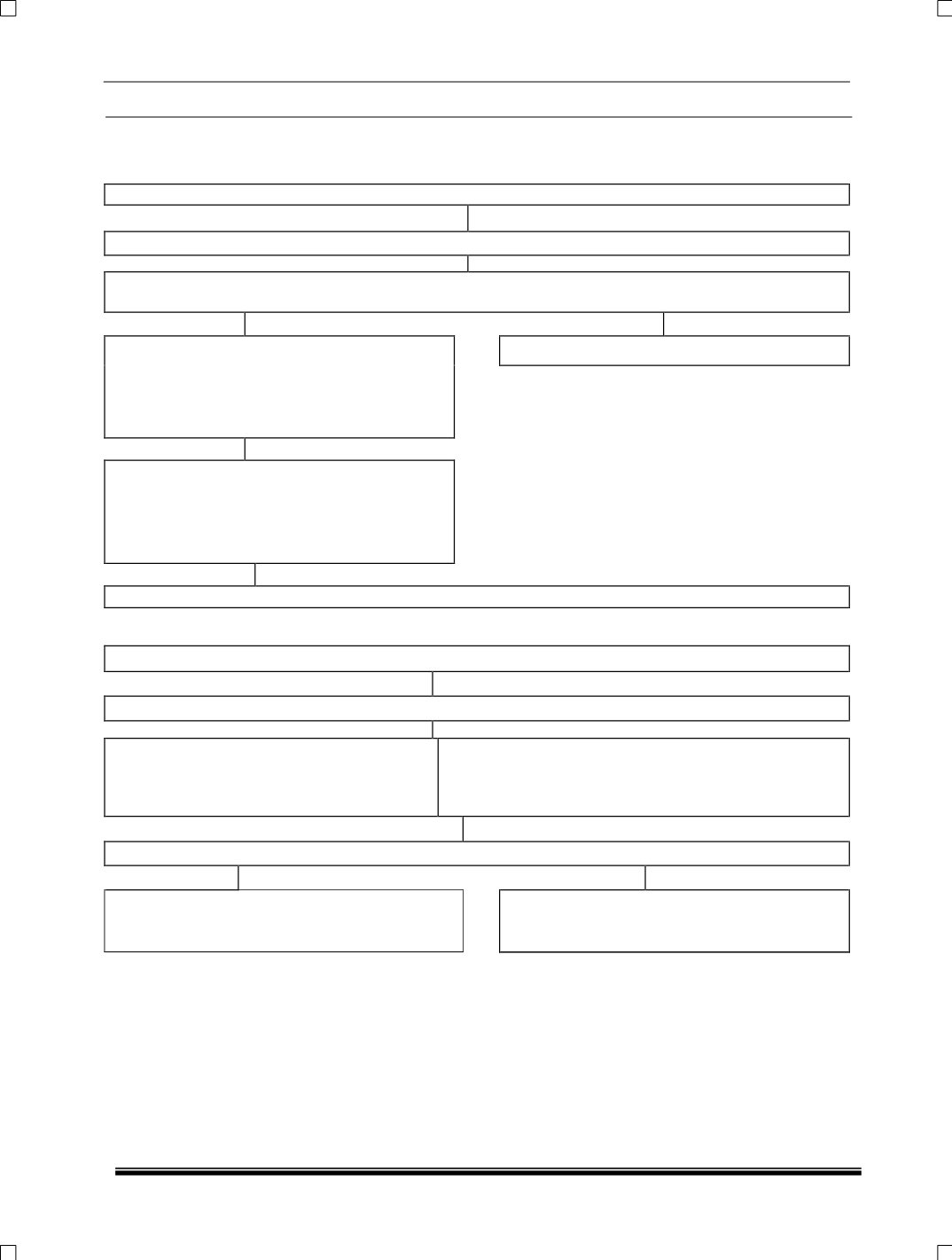
CHECK LIST FOR ENSURING SATISFACTORY
FUNCTIONING OF SERVO
Engine Off: Depress and release brake pedal several times to remove vacuum from the system.
Depress pedal and hold with light pressure (7- 12 kg) and start engine.
If servo is operative, pedal will fall slightly and then hold. Less pressure will be needed to hold pedal down,
than with the engine in ‘off’ condition.
If Servo is not operative disconnect the vacuum
hose from the Servo non-return valve. Then with
engine running, check the vacuum supply with a
vacuum gauge. There should be at least 400 mm
of Hg.
If Servo is operative the vacuum leak test given.
If vacuum supply is below 400 mm of Hg, repair
the vacuum hose and vacuum fittings
If the vacuum supply is 400 mm of Hg or more the
replace or Servo is defective and should be
replaced with new servo assembly.
With new hose fitting repeat the basic test
VACUUM LEAK TEST
Run the engine at medium speed. Release the accelerator and turn the engine off. This builds up vacuum
Wait for 90 seconds and apply the brakes. Two or more applications should be Servo assisted
If the applications are Servo assisted, there is
no vacuum leak.
If the applications are not servo assisted disconnect the
vacuum hose from the non-return valve. Then attach a
short length of hose to the valve. Blow air through the hose.
The valve is defective if.
Air passes through.
If the non-return valve is defective install a new non
-return valve and repeat the vacuum leak test.
If the non-return valve is OK, the Servo is leaking.
Replace the Servo with a new kit.