



 94 / 1006

88
ENGINE 273 MPFI
8. Refill the weighed oil into the oil sump. Do not
spill any oil. The vessel used for draining should
not be used for any other purposes.
9. Drive the vehicle approx. 200-300 km/125-185
miles. This drive should include at least 30-40
kms/ 20-25 miles of highway or similar road,
vehicle running at about 60 kmph/ 40mph. Let
this drive distance be ‘D’ miles.
10. Immediately after the test drive, place the vehicle
at the same spot from where it started.
11. Place the same previously used vessel below the
oil sump, unscrew the drain plug and drain off oil
into the vessel. Drain the sump fully.
12. Weigh the vessel along with oil, now for the
second time. Let this weight be ‘w2’ gms.
13. Find out standard oil consumption using following
formulae
C = (w1 – w2) / (0.88 X D)
Where,
C =Actual oil consumption (Litres per 1000 km)
w1 = Wt. of oil vessel before drive (Miles)
w2 = Wt. of oil vessel after drive (Miles)
D = Drive distance in miles
3. Extremely Low Engine Oil Pressure:
Before calculating oil pressure, check the following
parameters:
a. External leakages.
b. Oil level in sump up to maximummark on dipstick.
c. Oil pressure transducer for proper functioning.
d. Oil pump performance using a suitable pressure
gauge. Oil pressure found to be less than 2.8 bar
at maximum speed and 1.2 bar at idling speed,
may be due to improper functioning of oil pump.
e. Ensure that correct grade of engine oil is used. If
low oil pressure is not on account of above factors,
wear of journals/bearings is indicated for which
overhaul of engine is recommended.
Procedure for checking oil pressure
CAUTION
Before conducting the test ensure that engine oil
level is at high mark on dipstick, otherwise top up.
No leakage.
Correct grade of engine oil is used.
1. Remove electrical connection from oil pressure
transducer (switch).
2. Remove oil pressure transducer (switch) from
cylinder head.
3. Install Oil pressure gauge in place of oil pressure
transducer.
4. Start engine and warm it up to normal operating
temperature.
5. Warm up the engine and measure oil pressure. It
should be within specified limits.
6. After checking oil pressure, stop engine and remove
oil pressure gauge.
7. Before reinstalling oil pressure transducer, be sure
to apply sealant on screw threads and tighten
transducer to specified torque.
4. Mechanical Failures:
Metallic knocking sound from an engine may be due
to faulty ignition, excessive clearance in main and big
end bearings, small end bush, tappets, piston slap,
seized of piston rings, scored cylinder bore or breakage
of any moving parts. Defective alternator can also be
a source of mechanical noise. Defect can be located
by replacing alternator or AC compressor (if fitted) or
belt tensioner pulley with a new one.
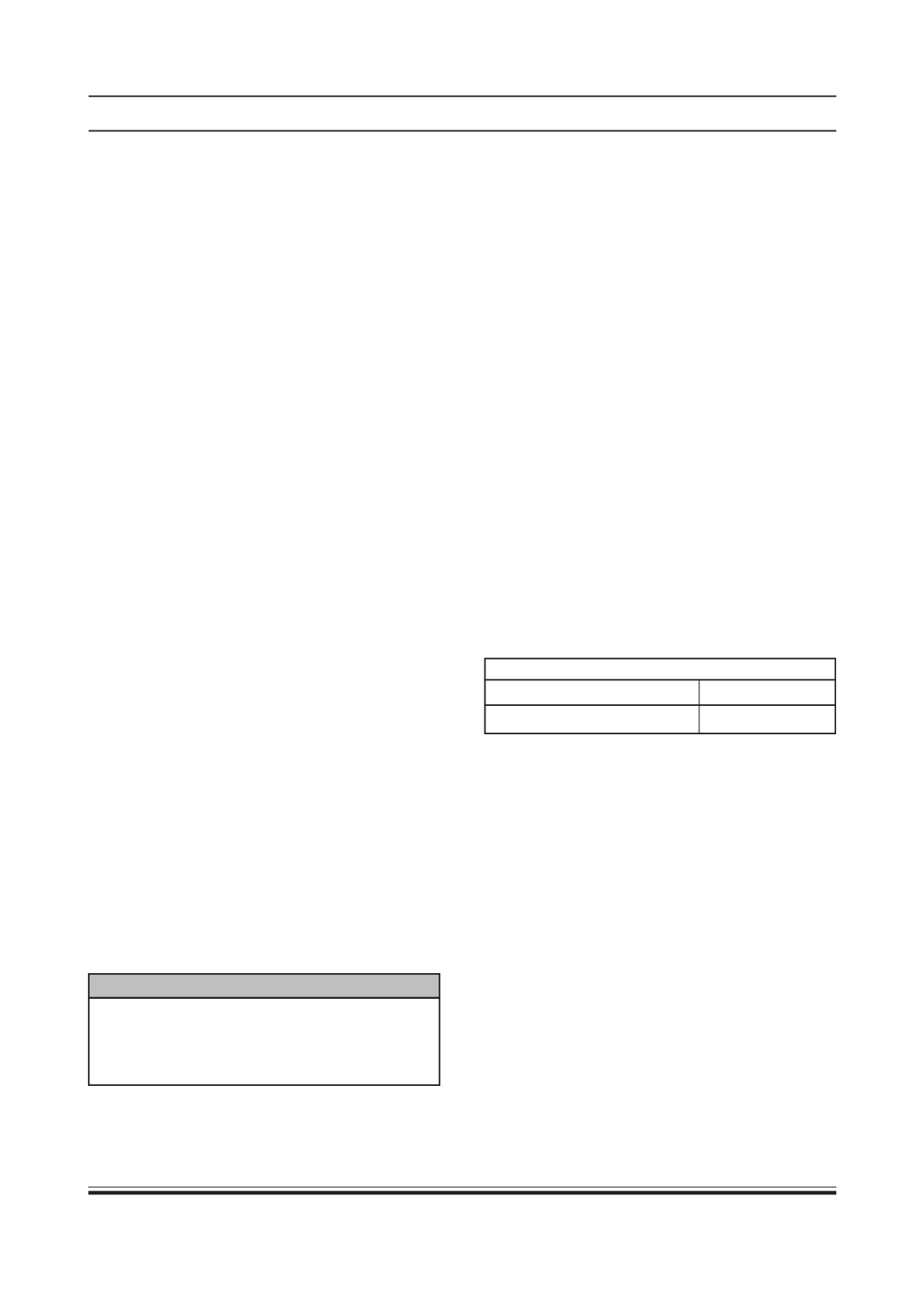
Engine Oil Pressure with 70°CCoolant Temperature
At Idle Speed (800 rpm)
1 bar
At Max. Speed (5250 rpm)
4 bar